Barolo · Winery · Curated profile
Poderi Marcarini
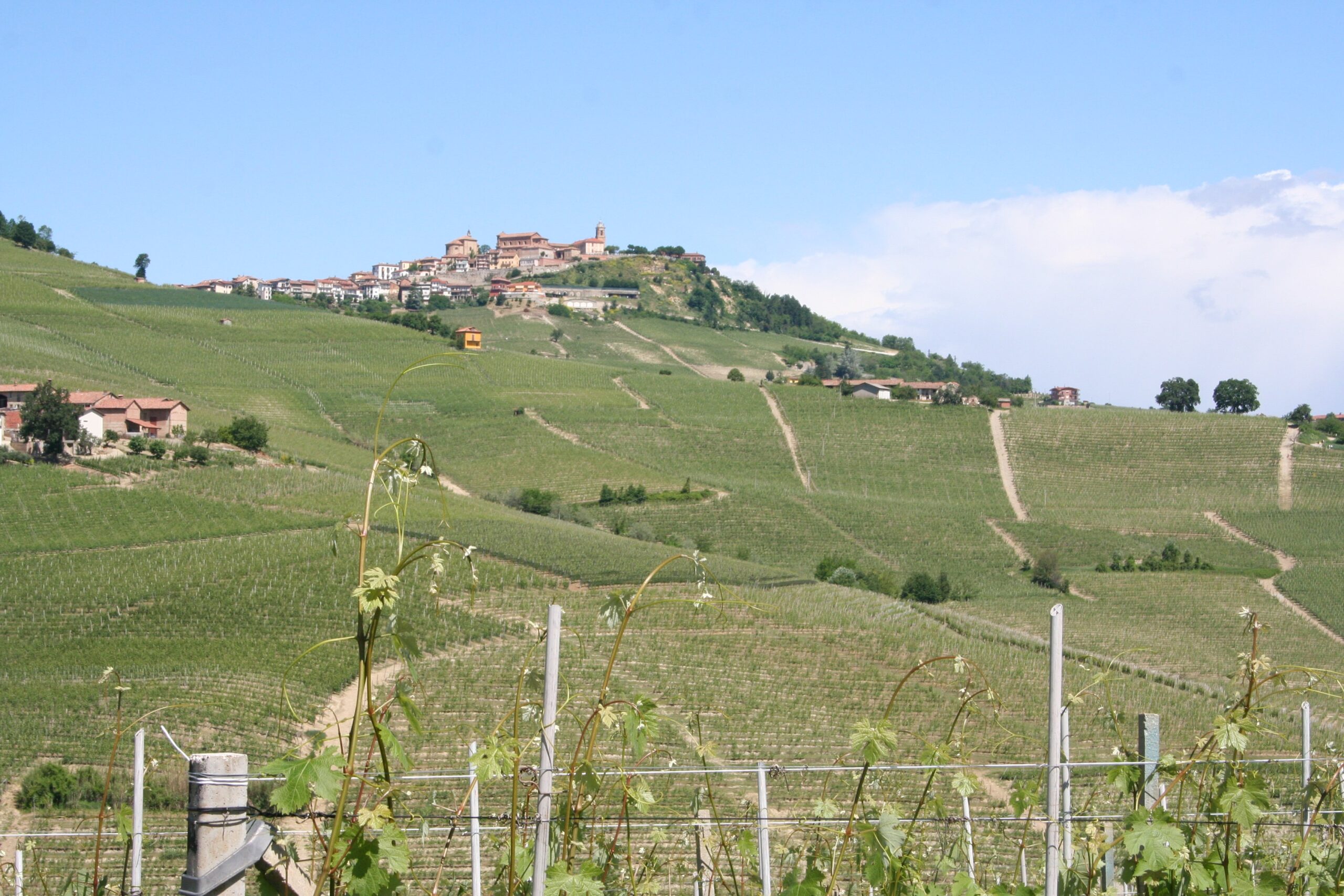
Poderi Marcarini is a family estate in La Morra, in the Langhe, now run by the sixth generation of the Marcarini family. The name goes back to Sebastiano Marcarini in the mid-19th century, and the present-day winery took shape from the 1980s under Anna Marcarini and then her daughter Luisa, who built the business with her husband Manuel Marchetti; their children Andrea, Chiara and Elisa have since joined. The cellars occupy an 18th-century building beside a medieval tower on the road up from Alba, and the estate farms about 25 hectares, including the Brunate and La Serra crus in La Morra, on Marcarini's labels since 1958, plus vineyards in Neviglie and Montaldo Roero. Alongside Barolo, the estate makes Dolcetto, Barbera, Langhe Nebbiolo, Roero Arneis, Moscato d'Asti and a traditional Barolo Chinato.
La Morra sits on the western side of the Barolo DOCG zone, known for some of its highest vineyards, a short drive from Alba.
At a glance
- Region
- Barolo, Piemonte, Italy
- Address
- Piazza Martiri, 2, 12064 La Morra (CN)
- Tours
- Available
- Tastings
- Available
- Wines listed
- 10
- Website
- https://marcarini.it
Visits & tastings
Visits centre on Marcarini's Wine Shop in the heart of La Morra, open since 2013, where the family's staff lead private tours of the historic cellars and personalised tastings.
Tastings
- Wine Shop tasting · a personalised tasting of Marcarini wines, chosen with the staff to suit your taste
Tours
- Cellar tour · a private guided walk through the winery's historic cellars, ending with a tasting
Food & stay
- Agriturismo Marcarini, the family's guesthouse a few kilometres from Alba
Contact
- +39 0173 50222
- wineshop@marcarini.it
- Via Umberto I, 34, 12064 La Morra (CN)
Wines from Poderi Marcarini
- Barolo Chinato: Vino Aromatizzato, Fortified. Barolo Chinato is Marcarini's aromatised dessert and digestive wine, tracing its origins to the Barolo area toward the end of the 1800s and made to an old family recipe.
- Boschi di Berri Pre-fillossera: Dolcetto d'Alba DOC, Dolcetto, Red. Boschi di Berri Pre-fillossera comes from a century-old, ungrafted vineyard on partially sandy soil that escaped the phylloxera epidemic, a rare example of vines still on their own roots.
- Brunate: Barolo DOCG, Nebbiolo, Red. Barolo Brunate is Marcarini's Barolo from the Brunate cru, a zone recognised as one of the Langhe's most important crus since the 1300s and on Marcarini's labels since 1958; the family has farmed a considerable part of…
- Ciabot Camerano: Barbera d'Alba DOC, Barbera, Red. Ciabot Camerano is Marcarini's Barbera d'Alba, grown on some of the estate's sunniest sites in La Morra and Neviglie.
- Del Comune di La Morra: Barolo DOCG, Nebbiolo, Red. Barolo del Comune di La Morra, introduced in 2015 with the arrival of the new generation of the family, blends grapes from Marcarini's historic La Morra vineyards to express the character of the commune's Tortonian…
- Fontanazza: Dolcetto d'Alba DOC, Dolcetto, Red. Fontanazza is Marcarini's everyday Dolcetto d'Alba, made from grapes grown on the hills of La Morra in the centuries-old traditional way, without new technology, and long considered the daily drinking wine of the Langhe.
- La Serra: Barolo DOCG, Nebbiolo, Red. La Serra is the other side of Marcarini's Barolo production, from a historic area whose soils, though low in organic matter, are rich in minerals; ripening comes a little later than in Brunate, giving elegant, less…
- Lasarin: Langhe DOC Nebbiolo, Nebbiolo, Red. Lasarin is a Langhe Nebbiolo from Marcarini's youngest Nebbiolo-Barolo vines and from vineyards in Neviglie, made to be fresh and easy to drink while carrying the grape's noble character.
- Moscato d'Asti: Moscato d'Asti DOCG, Moscato Bianco, Sweet. Moscato d'Asti is Marcarini's sweet, lightly sparkling dessert wine, made from the ancient white Moscato of Piedmont grown in the estate's Cascina Sargentin vineyards in Neviglie.
- Roero Arneis: Roero Arneis DOCG, Arneis, White. Roero Arneis is Marcarini's dry white, from an old vineyard in Montaldo Roero on the left bank of the Tanaro, added to the range to help uphold Piedmont's white-wine tradition.