Langhe DOC Explained: Piemonte's Widest Label, from Nebbiolo to Riesling
One denomination, more than ninety comuni and fourteen grape names, with bag-in-box and Nebbiolo spumante on the way.
Il Vino Bello ·
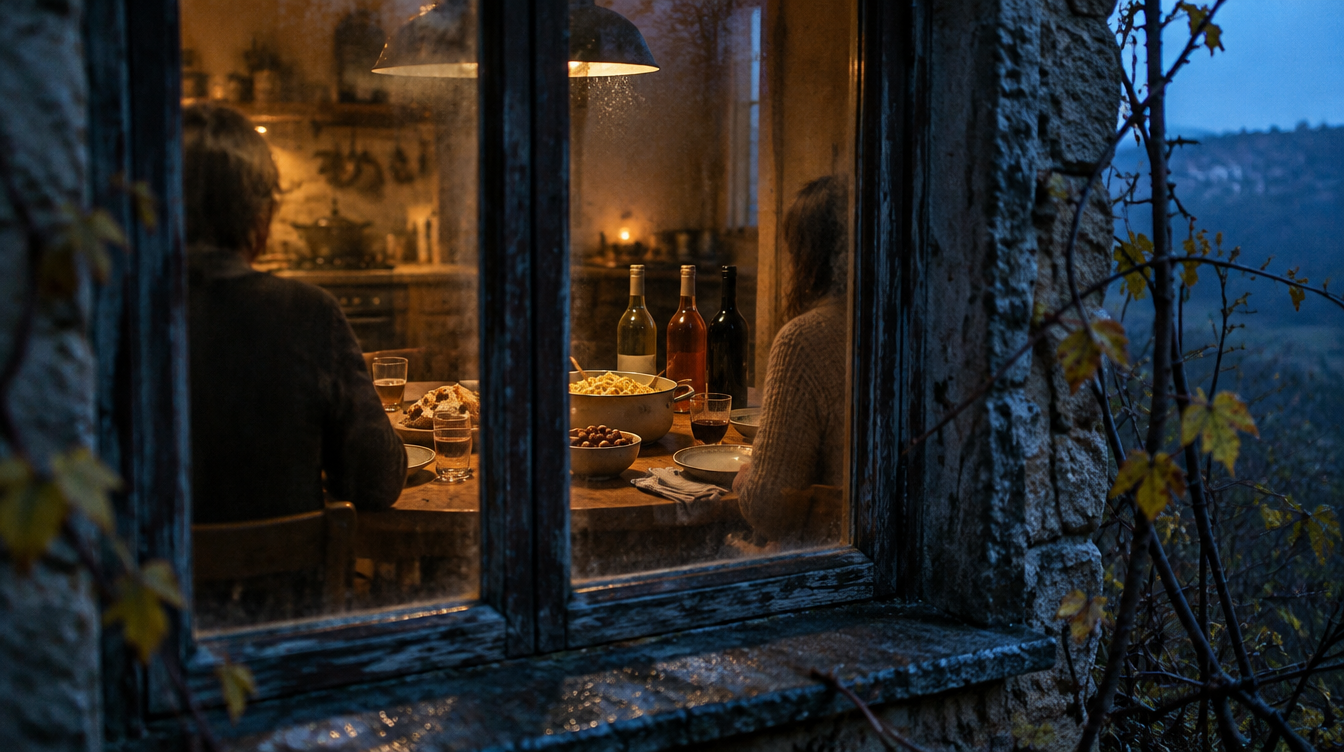
Barolo and Barbaresco get the attention, but on wine lists around Alba a plainer name turns up again and again: Langhe. It sits on a Nebbiolo poured by the glass, on a Riesling, on a blend of Merlot and Barbera, and on bottles from a handful of grapes you may never have heard of. It is the region's catch-all denomination, and right now it is also the one its producers are trying hardest to change.
A territorial DOC, born in 1994
The Langhe DOC was approved by ministerial decree on 22 November 1994. The production rules describe it as a denomination "of the territorial type", the only one in the area with a broad list of permitted grapes, set up to bring together the different soils and climates of the Langhe and Roero. The zone takes in more than ninety comuni in the province of Cuneo, from Alba, Barolo and Barbaresco to Bra, Dogliani, Mondovì and Cortemilia.
The rules allow hillside vineyards only, up to 800 metres, and they explicitly exclude damp, flat valley floors. Gambero Rosso calls it a "fallback" denomination: in a Nebbiolo vineyard that could make Barolo or Barbaresco, growers pick the grapes for those wines separately from the ones that will become Langhe Nebbiolo.
What the grape name on the label means
The rules work on two levels. Langhe Bianco and Langhe Rosso can be made from any non-aromatic grape of the right colour that is approved for growing in Piemonte, in any proportion. That is why Poderi Luigi Einaudi can put Cabernet, Nebbiolo, Merlot and Barbera into its Luigi Einaudi, and why Pelissero blends Favorita, Riesling and Chardonnay in its Langhe Bianco.
When a grape is named, it must make up at least 85 per cent of the vineyard behind the wine. The list of names allowed is long: Nebbiolo, Barbera, Dolcetto, Freisa, Arneis, Favorita, Nascetta, Chardonnay, Riesling, Sauvignon, Pinot Nero, Merlot, Cabernet Sauvignon and Rossese bianco. Arneis has a smaller zone of its own, 31 comuni by our count of the list, in the Roero, around Alba and in the Barbaresco area. Rosato needs at least 60 per cent Barbera, Dolcetto or Nebbiolo, and there are passito versions for dried-grape sweet wines.
Grape yields are capped at 10 to 11 tonnes per hectare for most types, and 9 for Freisa. The vintage must appear on the label of every type except the frizzante one.
What a Langhe label cannot tell you
Two rules explain a lot about how these bottles look. First, a Langhe label may not name a comune, hamlet, farmstead or locality inside the zone. The single exception is the Nascetta del comune di Novello subzone, so a Langhe Nebbiolo from Serralunga cannot say Serralunga on the front. Second, a named vineyard (vigna) is allowed only for some grapes: Chardonnay, Favorita, Freisa, Nascetta, Riesling, Sauvignon, Pinot Nero, Merlot, Cabernet Sauvignon and Rossese bianco, and only with lower yields. Nebbiolo, Barbera, Dolcetto and Arneis are not on that list.
Words such as superiore, riserva, fine or selezionato are banned outright. Estates may add their own brand names instead, as long as they are not laudatory or misleading, which is why so many Langhe wines carry a fantasy name.
The changes on the way
This is where the denomination is moving. In January 2026 Gambero Rosso reported that the assembly of the Consorzio Barolo Barbaresco Alba Langhe e Dogliani had voted, by a majority and after a heated debate, to allow Langhe Nebbiolo in bag-in-box of up to five litres, aimed first at Scandinavia and northern Europe. The current rules already allow boxes of at least two litres, but only for plain Langhe Rosso and Bianco.
The same package of changes would put "spumante" on Langhe Nebbiolo labels, with 24 months on the lees. Consorzio president Sergio Germano told Gambero Rosso that this minimum "discourages anyone who wants to make improvised bubbles" (our translation). Producers could also write rosé instead of rosato, use aromatic grapes in Langhe Bianco and Rosso, make Langhe Bianco from red grapes vinified as a white, and name Albarossa on a Langhe Nebbiolo label. All of it still has to pass the Regione, the ministry and the European Union. In January the magazine put the timeline at up to two years.
Behind this is a change of strategy. In June Gambero Rosso reported that the Langhe DOC has passed 20 million bottles a year, about 11 million of them Langhe Nebbiolo, and the new consorzio director, Elisa Spada, presented it as the way to "broaden accessibility" (our translation). Germano's word was to "de-monumentalise" some wines.
Bottles to look for
Langhe Nebbiolo is the place to start. Che Vale from Gian Piero Marrone is fermented on the skins at 26 °C for 12 to 14 days, with the malolactic in steel, by the estate's account.
For the less expected grapes, Abbona makes Chloris, a Langhe Riesling; Segni di Langa ages its Langhe Pinot Nero in large Austrian oak; Giovanni Manzone ferments its Rossese bianco, Rosserto, spontaneously for about 30 days; and Ciabòt Berton keeps its Favorita, Alissa, on the lees for at least four months.
Two bottles show the blending freedom. Réva makes Grey, a Langhe Bianco of 70 per cent Sauvignon Gris, and Lorenzo Negro bottles its Albarossa, Arbesca, as a Langhe Rosso, since the grape cannot be named on a Langhe label today.
For the bigger picture of what the region's labels mean, see our guide to reading a Piemonte wine label, and our piece on Nascetta for the one subzone Langhe allows.
Sources
- https://aisitalia.it/Disciplinari/Piemonte/DOC/Langhe.pdf
- https://www.gamberorosso.it/notizie/vino/doc-langhe-nebbiolo-bag-in-box-modifica-disciplinare/
- https://www.gamberorosso.it/notizie/uncategorized/spumante-doc-langhe-nebbiolo-nuovo-disciplinare/
- https://www.gamberorosso.it/notizie/vino/doc-langhe-nuova-strategia-consorzio-barolo/
- https://www.stradadelbarolo.it/en/vino/langhe-doc/