Fratelli Alessandria: Pepper, Monvigliero and Two Centuries in Verduno
A Verduno family estate since 1830, and one of the houses behind both Pelaverga and the Monvigliero cru.
Il Vino Bello ·
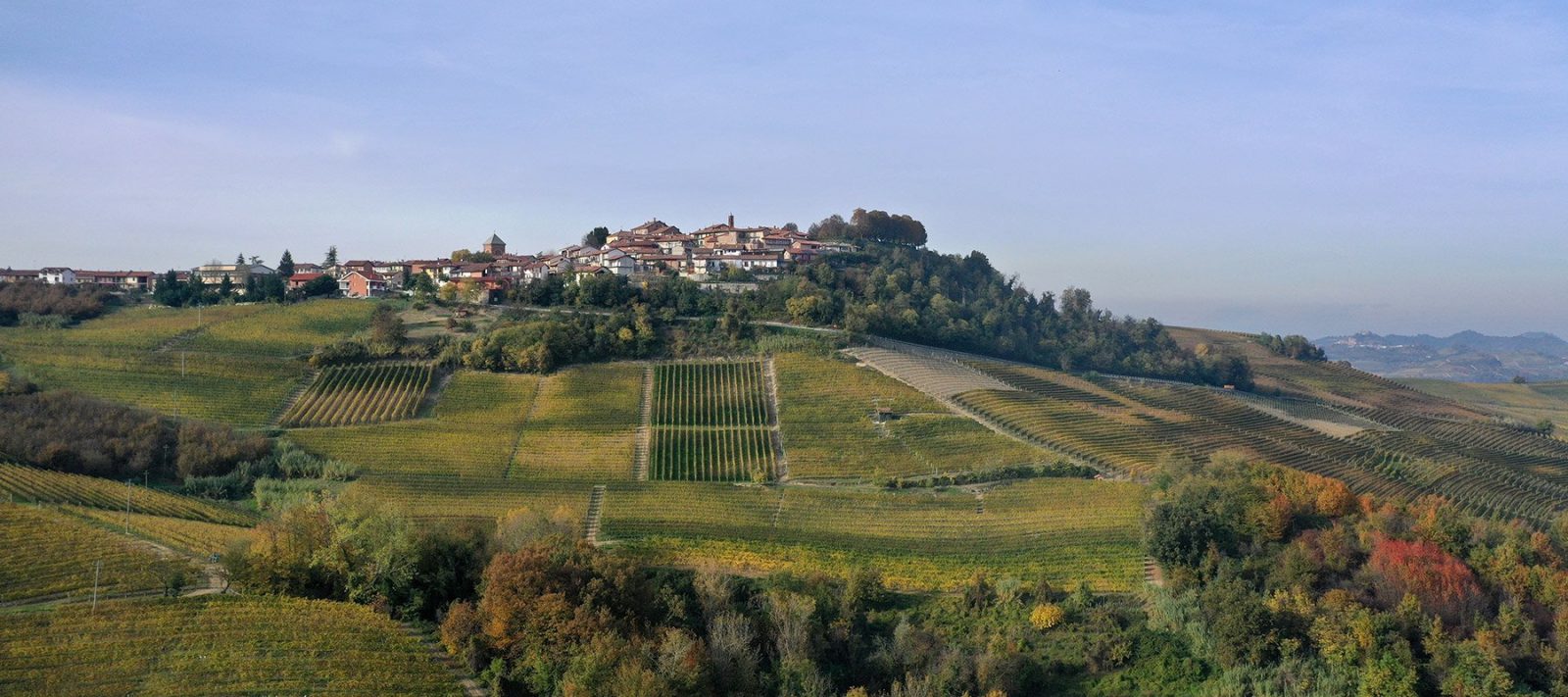
Verduno sits at the northern tip of the Barolo zone, the village closest to the Tanaro river, and it has a habit of producing wines with a peppery edge. Few families know that edge better than the Alessandrias, whose cellar in a large eighteenth-century house on Via Beato Valfrè has been making wine since 1830. This week we look at Fratelli Alessandria, a small family estate that helped put both Monvigliero and Pelaverga on the map.
From Dabbene to Alessandria
The story starts with another surname. At the end of the 1700s Giuseppe Dabbene began building the Fratelli Dabbene winery, and in 1830 it was formally established and dedicated to his son Clemente, whose initials, CD, are still carved above the entrance. In 1843, at a gathering of the Associazione Agraria on the royal estate at Pollenzo, the Dabbene wines won two gilded silver medals, one for how the wines kept and one for the upkeep of the cellars.
The name changed after Clementina Dabbene married Carlo Alessandria; the estate's own timeline dates the wedding to 1893. Today the house is run by Gian Battista Alessandria, his wife Flavia, his brother Alessandro and his son Vittore, the seventh and eighth generations of the family to make wine here. The estate works only with its own grapes, which the family says keeps a direct relationship with each vineyard and each cask.
Verduno's spicy signature
The estate describes about 15 hectares of its own vines, spread across Verduno's best-known sites and one plot in Monforte d'Alba. The soils are the fossil-rich, calcareous clay marls of Sant'Agata, which rose from the sea some 6 to 7 million years ago, and the river breezes shape a microclimate of their own.
The family's summary of what comes out of this ground is finesse, elegance and round tannins, with a light spiciness running through every wine, from Pelaverga up to Barolo. It is a useful key for the whole range, and the red grapes are all local: Nebbiolo, Dolcetto, Barbera, Freisa and Pelaverga Piccolo. The one white is Favorita, bottled as Langhe Favorita, which the estate describes as crisp and savoury with a pronounced mineral vein.
Pelaverga, the pepper grape
Pelaverga Piccolo is a rare native grape that, in the estate's words, found its one ideal home in Verduno. The Alessandrias first made it in 1973, and the Verduno Pelaverga DOC arrived in 1995. Fifteen years after the DOC, starting with the 2011 vintage, they gave their bottling a proper name: Speziale, after the peppery aroma the grape is known for.
It comes from about 3 hectares across six Verduno vineyards, including Riva Rocca, Campasso and Boscatto, at 250 to 400 metres. The winemaking is kept simple: 6 to 8 days of fermentation in stainless steel, 5 to 6 months in steel or cement, then a short rest in bottle. The estate suggests drinking it within 3 to 4 years, which makes it an easy first step into Verduno.
Monvigliero and the Barolo crus
At the other end of the range sits Monvigliero, which the family calls Verduno's grand cru. Their parcel covers about 1.4 hectares at 250 to 310 metres, facing south, and the estate was one of the first to bottle the vineyard on its own, back in the late 1970s. Its 1995 vintage won Gambero Rosso's Tre Bicchieri, the same year the Pelaverga DOC was born. The Monvigliero spends about three years in large Slavonian and French oak casks, and the producer describes it as austere but elegant, with notes of medicinal herbs, roots and spices.
Next door, San Lorenzo shares the same soil on a slightly lower, gentler slope, and the family considers it the finer, more floral of the two; it was first bottled on its own in 1997. Gramolere, from about 2 hectares in Monforte d'Alba between Gavarini and Bussia, followed in 2001; the estate says it has the structure and character typical of Monforte's Barolo. Since 2017 the estate has also made a Barolo del Comune di Verduno, a blend of five village vineyards in the old style of assembling several sites into one wine.
The everyday bottles
The Barolos get the attention, but the family's table wines are where most of Verduno's character shows day to day. Prinsiòt, a Langhe Nebbiolo named after the family's old Piedmontese nickname, has been made since 1964 from younger vines. The Dolcetto d'Alba, in production since 1974, is aged in steel or cement and meant for any course of a meal. Rossoluna is the estate's only blend, three native grapes aged in 500-litre tonneaux since 1999.
Visiting
In 2022 the family opened Speziale Wine Resort in Verduno, named after the Pelaverga, as a place to stay close to the historic cellar. The winery also welcomes visitors for guided cellar visits; no fixed hours are published, so write or call ahead (info@fratellialessandria.it, +39 0172 470113).
Sources
- https://www.fratellialessandria.it/storia-cantina-verduno/
- https://www.fratellialessandria.it/en/historic-winery-verduno/
- https://www.fratellialessandria.it/cantina-storica-barolo-verduno/
- https://www.fratellialessandria.it/vini-verduno-eleganza-speziata/
- https://www.fratellialessandria.it/i-nostri-vigneti/
- https://www.fratellialessandria.it/i-nostri-vini/verduno-pelaverga-speziale-doc/
- https://www.fratellialessandria.it/i-nostri-vini/barolo-monvigliero-docg/
- https://www.fratellialessandria.it/i-nostri-vini/barolo-san-lorenzo-docg/
- https://www.fratellialessandria.it/speziale-wine-resort-verduno/