Abrigo's Comitatus Dianensis: The Dolcetto That Won Tre Bicchieri
A screw-capped, steel-aged Diano d'Alba from a family cellar that Gambero Rosso and Vinibuoni both put at the top of their 2027 lists.
Il Vino Bello ·
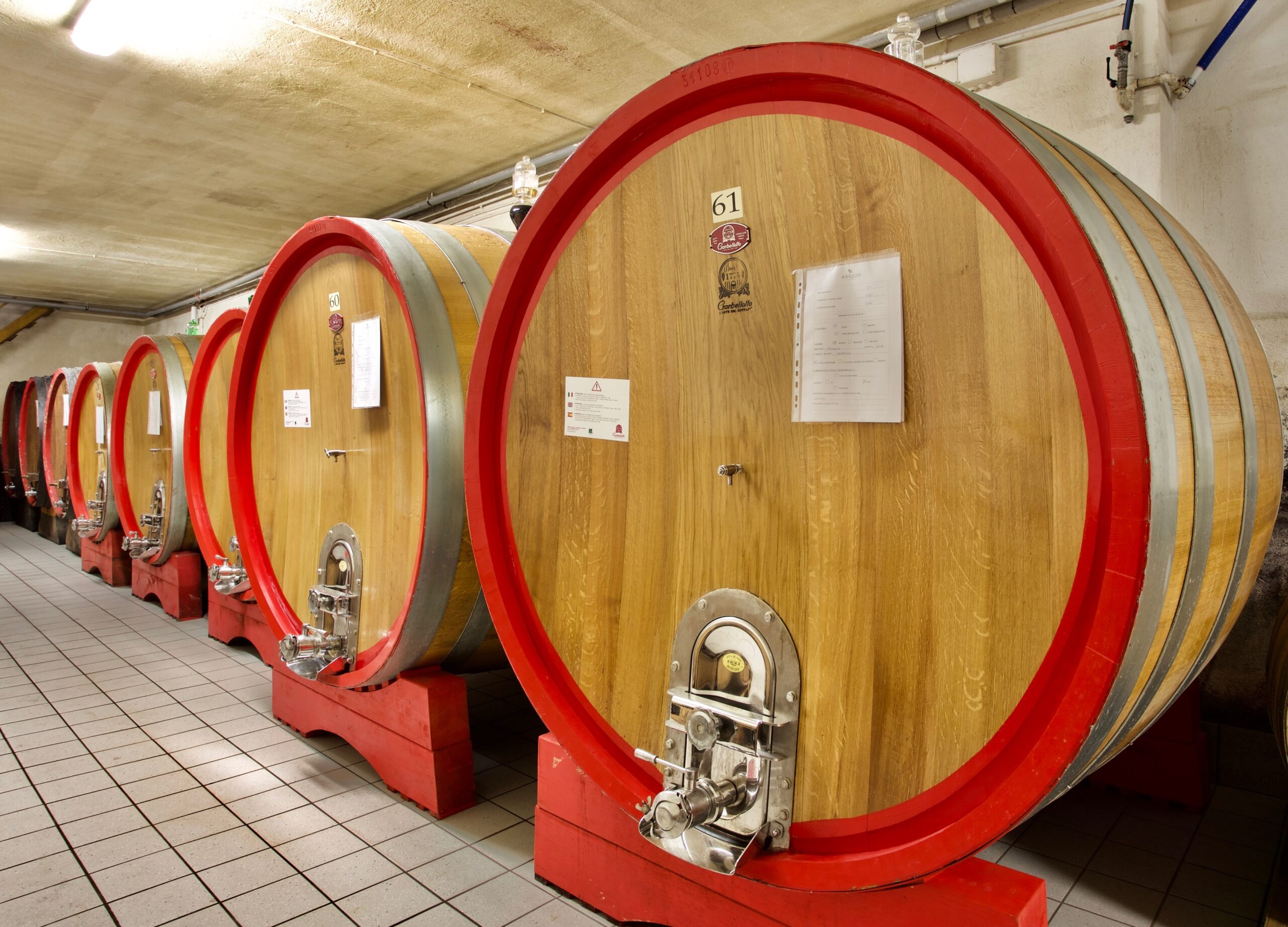
Dolcetto rarely makes headlines. It is the everyday red of the Langhe, poured with lunch while the Barolo waits for Sunday, so it is worth noticing when a guide puts one at the top table. In Gambero Rosso's Vini d'Italia 2027, one of the Piemonte Tre Bicchieri went to a Dolcetto from a single village: Comitatus Dianensis 2024, the Diano d'Alba of Abrigo Fratelli. Vinibuoni d'Italia gave the same vintage its Corona.
A small DOCG with its own sunny spots
Diano d'Alba sits in the hills a few kilometres southwest of Alba, and its denomination covers Dolcetto grown only within the village. The estate calls it "una delle più piccole d'Italia", one of the smallest DOCGs in Italy (translated). The production rules, set by a ministerial decree of 2 August 2010, recognise 77 additional geographical names. In Diano they are called sorì, Piemontese for a sunny, well exposed place.
There is a Superiore version with about a year of ageing, but the guides rewarded the young one this year. Abrigo's own page calls its base Diano "decisamente pronto al consumo", very much ready to drink (translated).
The family at Cascina dei Berfi
The Abrigo story on the estate's site starts in 1935, when grandfather Ernesto Abrigo came over from Treiso and settled in the Berfi hamlet of Diano, where the winery still is. Life in the Langhe then was poor, the estate writes, built on vines but also on wheat and livestock. His grandson, also Ernesto, graduated from the Alba wine school in 1976 and in the following years put the first bottles out under the Abrigo Fratelli name.
Today Ernesto works with his son Walter and his brother-in-law Emanuele Antona, and the estate makes about 50,000 bottles a year. Dolcetto is still the centre of it, next to a Diano d'Alba Superiore, a Barbera d'Alba Superiore, an Alta Langa called Sivà and, since the 2013 vintage, a Barolo from Ravera in Novello.
What is in the bottle
The technical sheet for the 2024 is unusually candid. The estate says the year was not particularly "amica", friendly, to Dolcetto: too extreme in its rain in May and June. The waterlogging ended in July, but storms kept fungal disease pressure so high that treatments ran almost by the calendar (translated). The grapes come from about one hectare facing southwest, vines averaging 50 years and some as old as 77, on clay and limestone marls with sand and sandstone that make a pale, young, silty loam.
2024 was the second year of an experiment. Up to 60 percent of the grapes went into steel tanks as whole bunches for carbonic maceration, the rest were destemmed and crushed, and skin contact lasted four to five days at 25 to 26°C. In 2024 the estate also tried fermenting with the yeast species Saccharomyces uvarum. The wine spent five months in steel, was bottled in February 2025 at 12.5 percent alcohol, and the first lot came to 2,819 bottles. Since the 2023 vintage the whole production has been closed with a screw cap, part of a wine the estate says is aimed at "un pubblico giovane e curioso", a young and curious public (translated).
The estate describes a bright ruby with violet tints, a nose of sour and black cherry, violet and a touch of lavender with clove at the end, and a palate that moves from cherry to plum and raspberry, with a fresh, almost minty finish, fine silky tannins and the light almond bitterness Dolcetto is known for.
How to drink it
Abrigo's own advice is to put it on "la tavola quotidiana", the everyday table, from the first course to the last, at 16 to 18°C, or to try it at 14°C as a summer aperitivo (translated). Visit Langhe Monferrato Roero suggests ravioli del plin, bagna cauda and fresh or medium aged cheeses with Diano's Dolcetto. It sees no oak and is built for freshness, so this is a red to open now rather than to cellar.
If you want to compare, the same guide gave Tre Bicchieri to two Dolcetto from Dogliani: Papà Celso from Abbona and Vigne Dolci from San Fereolo.
Visiting
The cellar on Via Moglia Gerlotto in Diano d'Alba receives visitors by appointment, booked through its page on Winalist or by phone. Among the visits is a "Taste of Diano" tasting built around the estate's study of Diano's soils, which found that the same geological formations as the Barolo zone all appear within this one village.
See Abrigo Fratelli for its wines, awards and how to visit.
Sources
- Abrigo Fratelli, Diano d'Alba DOCG "Comitatus Dianensis" 2024 technical sheet: https://www.abrigofratelli.it/wp-content/uploads/2026/01/diano-2024.pdf
- Abrigo Fratelli, Diano d'Alba DOCG "Comitatus Dianensis" 2023 technical sheet: https://www.abrigofratelli.it/wp-content/uploads/2024/06/Diano-dAlba-DOCG-2023-ITA.pdf
- Abrigo Fratelli, Diano d'Alba DOCG page: https://www.abrigofratelli.it/diano-dalba-docg-2/
- Abrigo Fratelli, La nostra storia: https://www.abrigofratelli.it/storia-ita/
- Abrigo Fratelli, Progetto A Taste of Diano: https://www.abrigofratelli.it/progetto-a-taste-of-diano/
- QuiFinanza, Tre Bicchieri 2027 in Piemonte, gli 82 vini premiati da Gambero Rosso: https://quifinanza.it/lifestyle/food-economy/tre-bicchieri-piemonte-2027/1020936/
- Vinibuoni d'Italia, I vini della Corona: https://vinibuoni.it/i-vini-della-corona/
- Visit Langhe Monferrato Roero, Dolcetto di Diano d'Alba or Diano d'Alba DOCG: https://www.visitlmr.it/en/vini/dolcetto-di-diano-d-alba-o-diano-d-alba-docg