Braida: How One Family Rewrote the Rules for Barbera
From a chalked barrel in Rocchetta Tanaro to Barbera's global reputation
Il Vino Bello ·
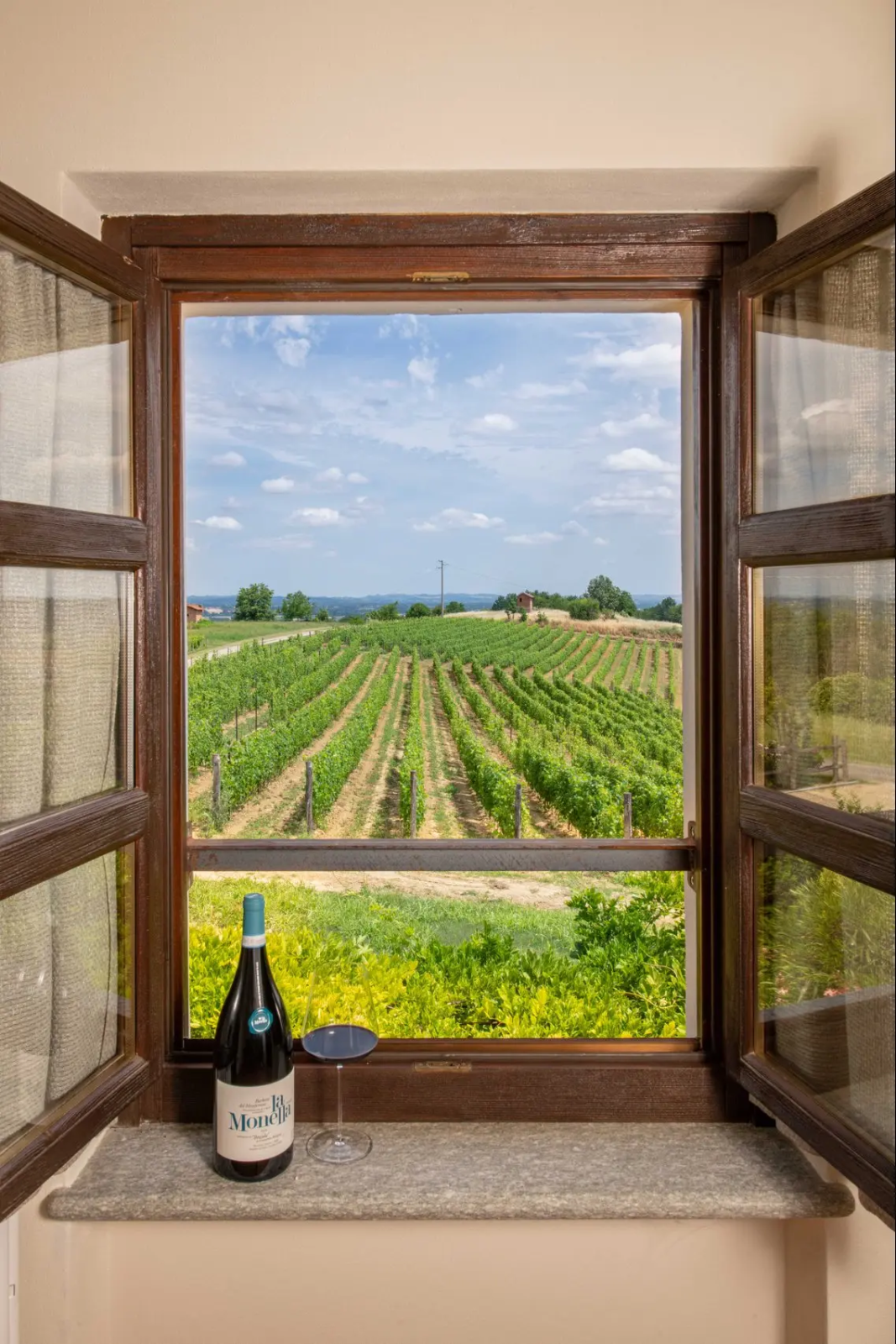
Rocchetta Tanaro is a small commune in the Asti hills, the kind of place a local chansonnier once summed up in one line: "My village is not a surprise, it is ten vineyards, six houses, one church." Some of those vineyards belong to Braida, and have for generations. They were first worked by grandfather Giuseppe Bologna, a professional carter who earned the nickname "Braida" on the pallone elastico court, a traditional Piemontese handball-style game, for his resemblance to the sport's reigning champion. When his son Giacomo inherited the vineyards, he inherited the nickname too, and eventually gave it to the winery itself.
Giacomo bottled his first wine in 1961, made from grapes off his grandmother Caterina's plot. As the story goes, family lore has it that Giacomo's grandfather chalked the name directly onto the liveliest, most actively bubbling barrel in the cellar that year: "La Monella," the mischievous one. The name, and the wine, are unchanged today, still Braida's most exuberant bottling, a lightly sparkling Barbera del Monferrato built for early, joyful drinking.
The real turning point came in 1982. Barbera, at the time, was considered a workhorse grape, rarely taken seriously outside Piemonte. Giacomo Bologna had a different idea: age it in barrique, the small French oak barrels normally reserved for Burgundy and Bordeaux, for twelve months, then rest it a further twelve in the bottle before release. The result, Bricco dell'Uccellone, was the first Barbera ever aged this way, and it changed how the wine world thought about the grape almost overnight. Two more single-vineyard Barbera followed in its wake: Bricco della Bigotta in 1985 and Ai Suma in 1989.
Giacomo passed away in 1990, and today the estate is run by his children, Raffaella and Giuseppe Bologna, both trained oenologists, who have expanded the range considerably beyond their father's original Barbera trilogy. Braida now also makes Grignolino, Timorasso, Nascetta, Riesling, and a Moscato d'Asti aged from a hillside purchased in 1990 and still passed down through the family, three generations running. The estate welcomes visitors by appointment for tours through the historic cellar in Rocchetta Tanaro, ending, fittingly, among the same barriques that started it all.